
RenewRx
Weight Loss Men's Health Women's Health Peptide Therapy Sexual Health Hair Restoration About Us Contact Blog Refill Request
Take the Hair Restoration Quiz Refill Request

Restore Your Confidence

Hair loss is progressive — the sooner you start, the more you keep. Our clinicians use evidence-based treatments including DHT blockers, growth stimulants, and regenerative peptides to slow loss, promote regrowth, and strengthen what you have.

Licensed Providers
Lab-Guided Protocols
Men & Women

Hair Restoration Solutions

We combine multiple proven approaches for a comprehensive hair restoration protocol tailored to your pattern, severity, and goals.

RxTopical

Minoxidil

From $49/mo
Growth stimulant
Minoxidil
RxOral

Dutasteride

From $149/mo
Advanced DHT blocker
Dutasteride
RxTopical

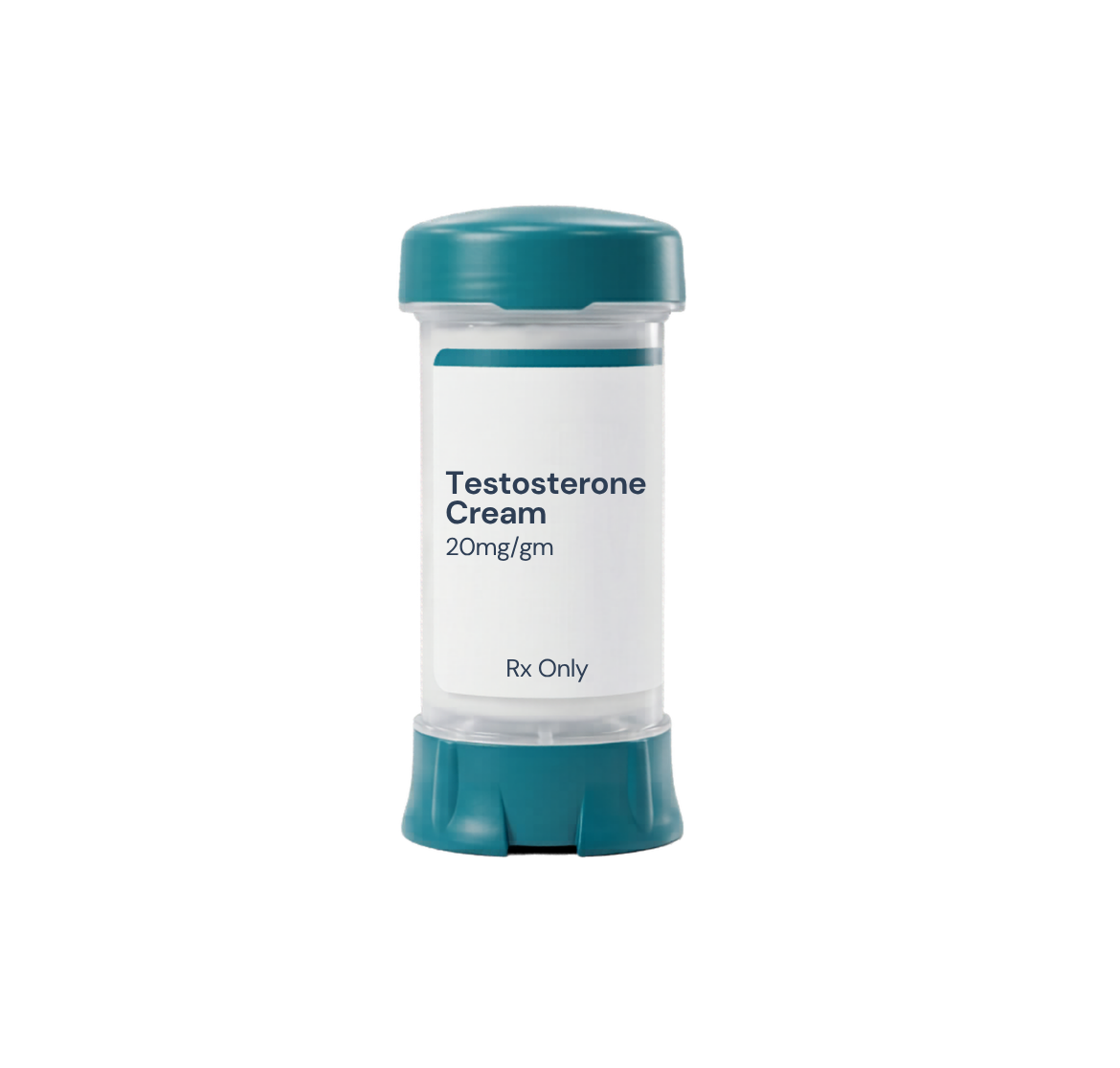
Topical GHK-Cu Cream

From $299/mo
Copper peptide
GHK-Cu Topical

Recognize the early signs

Hair loss is gradual. By the time most people notice, they’ve already lost 50% of density. Early intervention is key.

Receding Hairline

The classic M-shaped recession at the temples and frontal hairline, typically the earliest visible sign in men.

Crown Thinning

A widening part or visible scalp at the crown/vertex area. Common in both men and women.

Diffuse Thinning

Overall reduction in hair density across the entire scalp rather than in specific patterns. More common in women.

Excessive Shedding

Finding more hair than usual on your pillow, in the shower, or on your brush. A sign the growth cycle is disrupted.

Miniaturization

Once-thick hairs becoming progressively finer and shorter with each growth cycle until they stop growing altogether.

Family History

Androgenetic alopecia is hereditary. If you see it in your family, proactive treatment can make a major difference.

Three Simple Steps

1

Online Evaluation

Share your hair loss history, photos, and goals. Your provider reviews everything and schedules a telehealth visit.

2

Custom Protocol

Your clinician builds a multi-modal treatment plan — often combining a DHT blocker with a growth stimulant for best results.

3

Track & Adjust

Regular check-ins and progress photos ensure your protocol is working. Adjustments are made as needed for optimal results.

Common Questions

How soon will I see results?
Most patients see initial improvement within 3-6 months, with continued improvement over 12-18 months. Hair growth is gradual, so consistency with your protocol is essential. Your provider will track progress with regular check-ins.
Do you treat women’s hair loss?
Yes. Minoxidil (topical and oral) and GHK-Cu are both effective for female pattern hair loss. Finasteride and dutasteride are typically reserved for men due to hormonal effects, though your provider will discuss all options that may be appropriate for you.
Can I combine multiple treatments?
Absolutely — and that’s often the most effective approach. A common protocol combines a DHT blocker (finasteride or dutasteride) with a growth stimulant (minoxidil) and optionally a regenerative peptide (GHK-Cu). Your provider will design the right combination for your specific situation.
Are there side effects?
All medications have potential side effects, which your provider will discuss in detail during your evaluation. For most patients, hair loss treatments are well-tolerated. Your provider monitors your response and adjusts the protocol if needed.
What happens if I stop treatment?
Hair loss treatments work by maintaining an environment that supports growth. If you stop, the underlying hair loss process typically resumes within a few months. Think of it as ongoing maintenance — like wearing contacts or taking allergy medication.

The Best Time to Start Is Now

Hair loss is progressive. Every month you wait, more follicles miniaturize. Start your clinician-guided evaluation today.

Start Your Evaluation →
Find Your Treatment — Free Quiz